
Improving Financial Visibility in Work Orders and WIP
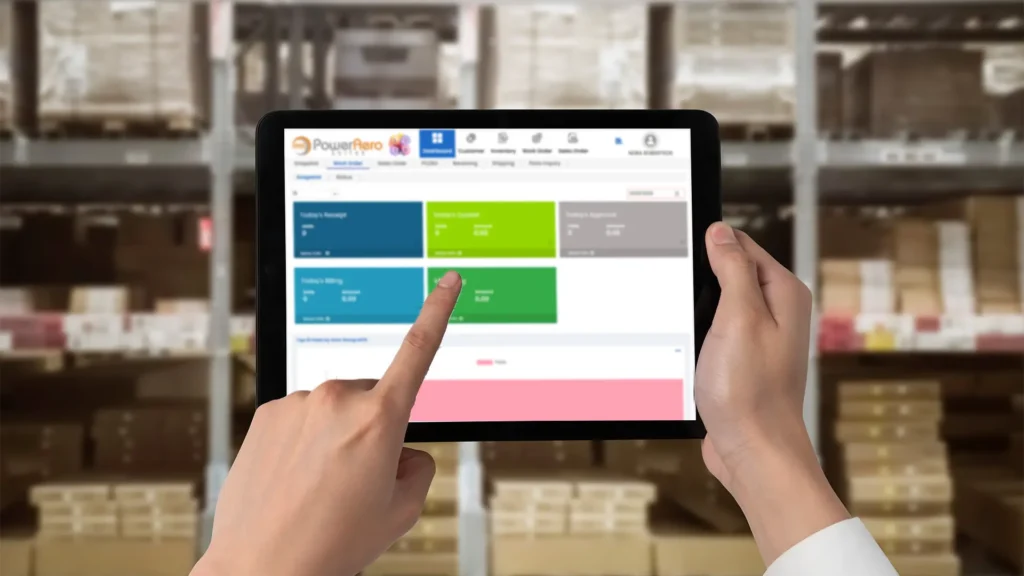
In complicated operational settings, demand rarely causes profitability to fail. It doesn’t work because finance and operations can’t see the same numbers at the same time. Many businesses still use operational systems to manage work orders, while their accounting software or spreadsheets are used by their financial teams to figure out margins. The result is […]
Inventory, Processes & Accounting in Aviation ERP Systems

Aviation parts brokers and MROs handle many daily transactions. These tasks are complex and involve collecting large amounts of data. The main areas include managing inventory, workflow, and finances. An ERP (Enterprise Resource Planning) system combines these three areas into one platform. It gives real-time updates on inventory levels. It also makes processes faster and […]
Aviation Business Intelligence: Turning ERP Data into Actionable Dashboards
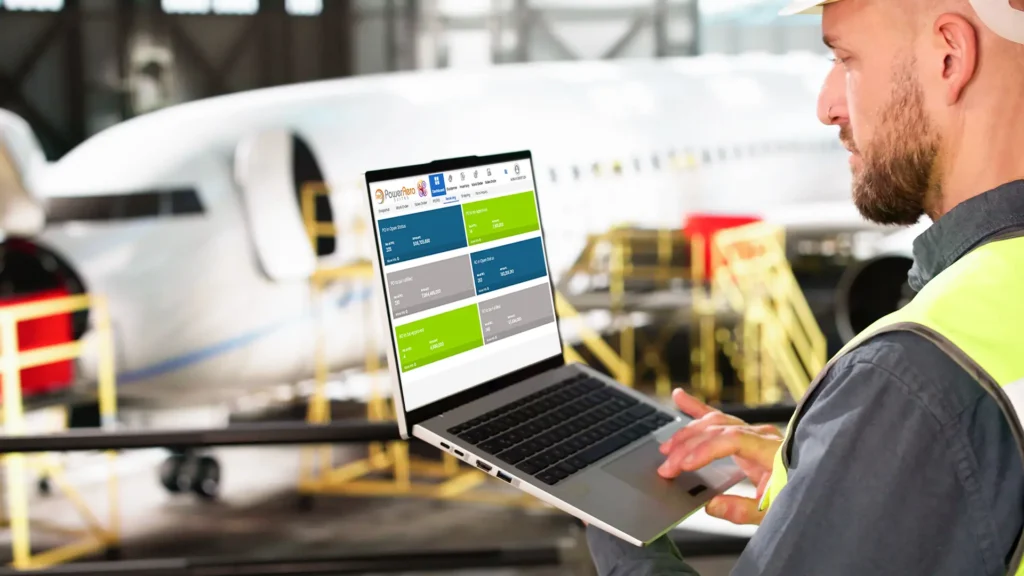
In the aviation industry, the level of competitiveness and the amount of data available are as common as air itself. Each time the plane flies, performs maintenance, or supplies new parts, digital crumbs get left behind. Unfortunately, much of this rich resource in the aviation industry has remained stuck in silos, deep within elaborate spreadsheets. […]
Using Aviation KPIs to Reduce Turnaround Time (TAT) and Improve On-time performance (OTP)

Time in a commercial air transport operation is not just a unit of measurement; it is a currency that costs the most. Each minute spent attached to the gate is a minute unproductively spent and could otherwise be spent earning profits. For airline management and aviation operations teams, achieving optimal levels of turnaround time (TAT) […]
How Aviation ERP Supports FAA & EASA Compliance Without Relying on Manual Spreadsheets

Aviation regulatory compliance (FAA/EASA) is dependent upon three core elements: evidence, timing, and traceability. To stay compliant, aviation companies must keep accurate and timely records of maintenance-related activities, including tracking of all materials used, the completion of all maintenance-related approvals and releases, and the documentation of all transactions. Having documentation that can be searched later, […]
Aviation Accounting Explained: Linking Work Orders, Inventory, and Financial Reports

The aviation accounting process relies heavily on the accurate representation of operational events on the ledger at the time they occur. Work orders are processed in real-time within the hangar environment, while inventory is processed across multiple locations and may not have been fully captured in the ledger in the correct format and in a […]
Why MRO Accounting Software is a Game-Changer for Financial Management

Precision doesn’t stop at the hangar floor in the aviation MRO industry. It carries all the way into financial management, where every part, hour, and purchase must connect seamlessly to the bottom line. Yet for many MROs, that link is still fragile. Finance teams chase numbers. Operations teams chase parts. The two often meet only […]
Revolutionizing Aircraft Billing: The Power of Modern MRO Invoicing Software
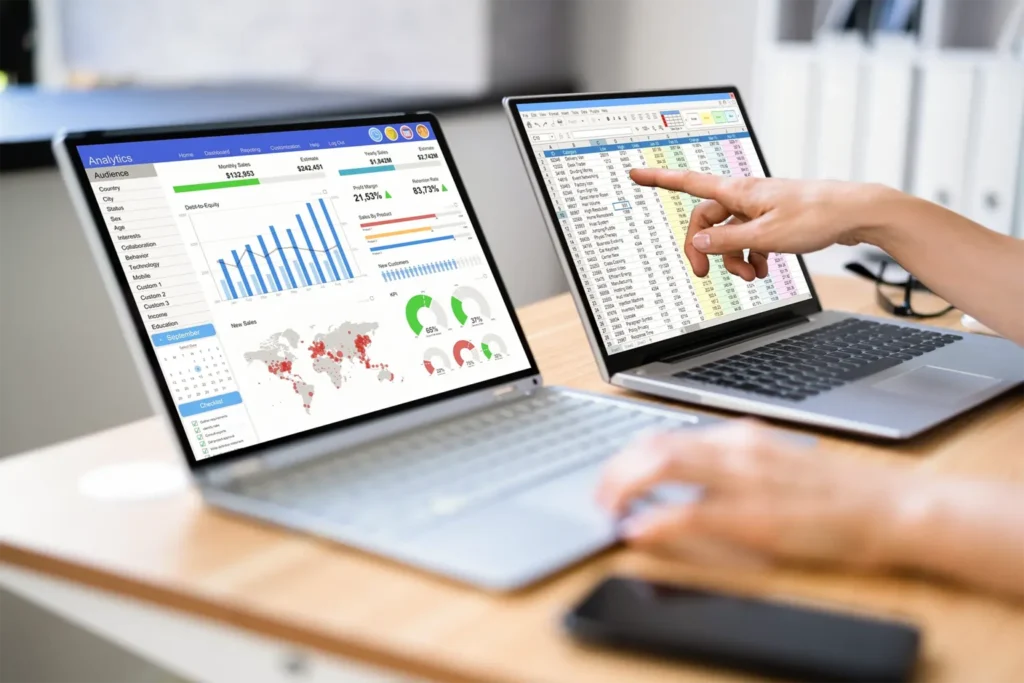
In aviation maintenance, repair, and overhaul, precision is the rule, not the goal. Every part replaced, every inspection approved, and every hour of labor logged must be accurate down to the smallest detail. Yet when it comes to billing, the final step that turns all that hard work into revenue, many teams still face unnecessary chaos. […]
Aviation Accounting Software: Streamlining Finance for Aviation, MROs & Brokers

The global aviation industry is soaring to new heights, with the International Air Transport Association (IATA) projecting revenues to exceed $1 trillion in 2025 for the first time. This unprecedented growth, however, is matched by intense financial complexity. For Airlines, Maintenance, Repair, and Overhaul (MRO) organizations, and specialized Brokers, navigating compliance, cost-tracking, and razor-thin margins demands more […]
Managing Aircraft Technical Records with ERP

In today’s aviation environment, the volume, complexity, and regulatory scrutiny of aircraft documentation are growing rapidly. Manual record-keeping methods, spreadsheets, paper logbooks, and multiple siloed systems struggle to keep pace. For operators, MROs, and aviation service providers, the shift to aircraft technical records management via integrated ERP is no longer optional — it’s essential. In […]